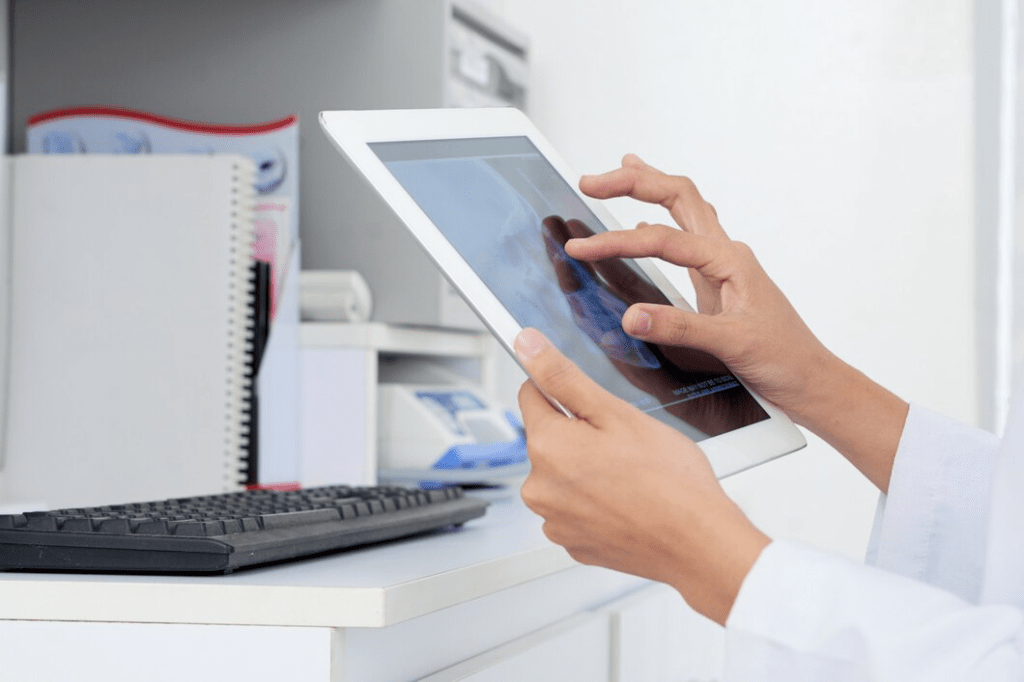
In today’s fast-evolving healthcare landscape, cloud-based remote patient monitoring software has emerged as a game-changer. With advancements in technology, healthcare providers are now better equipped to deliver timely care, improve patient outcomes, and reduce operational inefficiencies. This blog explores the many benefits of leveraging cloud-based solutions for remote patient monitoring and how they are transforming healthcare delivery.
Introduction
Remote patient monitoring (RPM) has become a cornerstone of modern healthcare. It allows clinicians to monitor and manage patients’ health outside traditional clinical settings, often from the comfort of their homes. Cloud-based RPM software takes this concept further by offering scalable, secure, and efficient solutions that bridge the gap between patients and providers. By utilizing cloud technology, healthcare systems can streamline data collection, improve decision-making, and foster a more personalized approach to patient care.
For healthcare providers, investing in remote patient monitoring software development has become a necessity rather than an option. The ability to harness real-time patient data securely and efficiently provides an unparalleled opportunity to improve outcomes while reducing costs. Let’s dive into the key benefits of cloud-based RPM software and how it can revolutionize the healthcare industry.
1. Enhanced Accessibility and Scalability
One of the most significant advantages of cloud-based RPM software is its accessibility. With cloud technology, patient data is stored on a centralized platform, making it easily accessible to authorized personnel from anywhere with an internet connection. This is especially beneficial for providers managing a large number of patients across different locations.
Key Benefits:
- Remote Access: Healthcare professionals can access patient data in real-time, enabling timely interventions and improved monitoring.
- Scalability: Cloud platforms can handle growing volumes of data, making it easy to scale up operations as the patient base increases. This flexibility is crucial for app development companies aiming to build adaptable healthcare solutions.
By eliminating geographical barriers, cloud-based RPM software ensures that care is consistent, no matter where patients or providers are located.
2. Improved Data Management and Integration
Managing patient data effectively is a challenge for many healthcare providers. Cloud-based solutions simplify this process by offering seamless integration with various devices and health records systems.
How It Helps:
- Centralized Data Repository: All patient data, from vital signs to medication history, is stored in one place, reducing duplication and errors.
- Interoperability: Cloud platforms often integrate easily with electronic health records (EHRs), wearables, and other healthcare systems, providing a holistic view of patient health.
- Real-Time Updates: Continuous synchronization ensures that all stakeholders have access to the latest patient information.
The ability to manage data efficiently not only enhances patient care but also reduces the administrative burden on healthcare teams.
3. Cost-Effectiveness and Operational Efficiency
Healthcare systems are under constant pressure to optimize costs while maintaining high standards of care. Cloud-based RPM software offers a cost-effective alternative to traditional monitoring methods.
Financial Benefits:
- Reduced Infrastructure Costs: Cloud solutions eliminate the need for expensive on-premise servers, reducing upfront capital expenditures.
- Efficient Resource Allocation: Automated alerts and analytics reduce the workload on healthcare staff, allowing them to focus on critical cases.
- Lower Readmission Rates: By proactively monitoring patients, providers can detect and address potential issues early, reducing hospital readmissions and associated costs.
These cost savings make cloud-based RPM an attractive option for healthcare providers and organizations investing in remote patient monitoring software development.
4. Enhanced Patient Engagement and Satisfaction
Patient-centered care is at the heart of modern healthcare, and cloud-based RPM software empowers patients to take an active role in managing their health.
Advantages for Patients:
- Convenience: Patients can monitor their health from home without frequent visits to the hospital.
- Transparency: Access to personal health data fosters a sense of control and encourages healthier behaviors.
- Improved Communication: Cloud platforms often include features like messaging and video consultations, enhancing communication between patients and providers.
By improving the overall patient experience, cloud-based RPM solutions contribute to better adherence to treatment plans and improved outcomes.
5. Advanced Analytics and Insights
Cloud-based RPM platforms are equipped with powerful analytics tools that can transform raw data into actionable insights. These insights are invaluable for both clinicians and healthcare administrators.
How Analytics Improve Care:
- Early Detection: Predictive analytics can identify potential health issues before they escalate, enabling preventive care.
- Personalized Treatment: Data-driven insights help providers tailor treatment plans to individual patients’ needs.
- Performance Monitoring: Providers can track the effectiveness of interventions, ensuring continuous improvement.
The integration of analytics into RPM systems provides a competitive edge for any app development company creating innovative healthcare solutions.
6. Enhanced Security and Compliance
Patient data security is a top priority in healthcare, and cloud-based solutions are designed to meet stringent security standards.
Security Features:
- Data Encryption: Sensitive data is encrypted during transmission and storage, protecting it from unauthorized access.
- Access Controls: Role-based permissions ensure that only authorized personnel can access specific data.
- Regulatory Compliance: Cloud platforms often comply with healthcare regulations like HIPAA, ensuring legal and ethical data management practices.
With robust security measures in place, healthcare providers can trust cloud-based RPM software to protect patient privacy while delivering high-quality care.
7. Facilitating Telehealth Integration
The rise of telehealth has further boosted the adoption of cloud-based RPM solutions. These systems seamlessly integrate with telehealth platforms, creating a comprehensive virtual care ecosystem.
Benefits of Integration:
- Real-Time Monitoring: Patients can share live health data during teleconsultations, improving diagnostic accuracy.
- Follow-Up Care: RPM systems make it easy to track patient progress after telehealth visits.
- Enhanced Continuity of Care: The combination of RPM and telehealth ensures that patients receive continuous, coordinated care.
This synergy between RPM and telehealth is a win-win for both patients and providers, fostering a more connected healthcare experience.
8. Supporting Chronic Disease Management
Chronic diseases such as diabetes, hypertension, and heart disease require ongoing monitoring and management. Cloud-based RPM software is particularly well-suited for this purpose.
How It Helps:
- Continuous Monitoring: Wearables and connected devices transmit real-time data to the cloud, enabling continuous tracking of vital signs.
- Timely Interventions: Alerts for abnormal readings allow providers to intervene promptly, preventing complications.
- Better Outcomes: Regular monitoring and personalized care plans improve the quality of life for patients with chronic conditions.
Investing in remote patient monitoring software development can significantly enhance chronic disease management, ultimately reducing healthcare costs and improving patient outcomes.
Conclusion
Cloud-based remote patient monitoring software is revolutionizing the way healthcare is delivered. From enhanced accessibility and cost-effectiveness to improved patient engagement and advanced analytics, the benefits of these solutions are far-reaching. By embracing cloud technology, healthcare providers can deliver more efficient, personalized, and proactive care.
For organizations looking to innovate in this space, partnering with an experienced app development company is crucial. Whether it’s developing a tailored solution or integrating RPM with existing systems, the right expertise can make all the difference. Cloud-based RPM is not just a trend—it’s the future of healthcare.
By leveraging the power of cloud-based remote patient monitoring, healthcare providers can ensure better outcomes, stronger patient relationships, and a more sustainable approach to care delivery.
Also, read this article:
Top Remote Patient Monitoring Companies in Dubai
 Site Title
Leave a comment