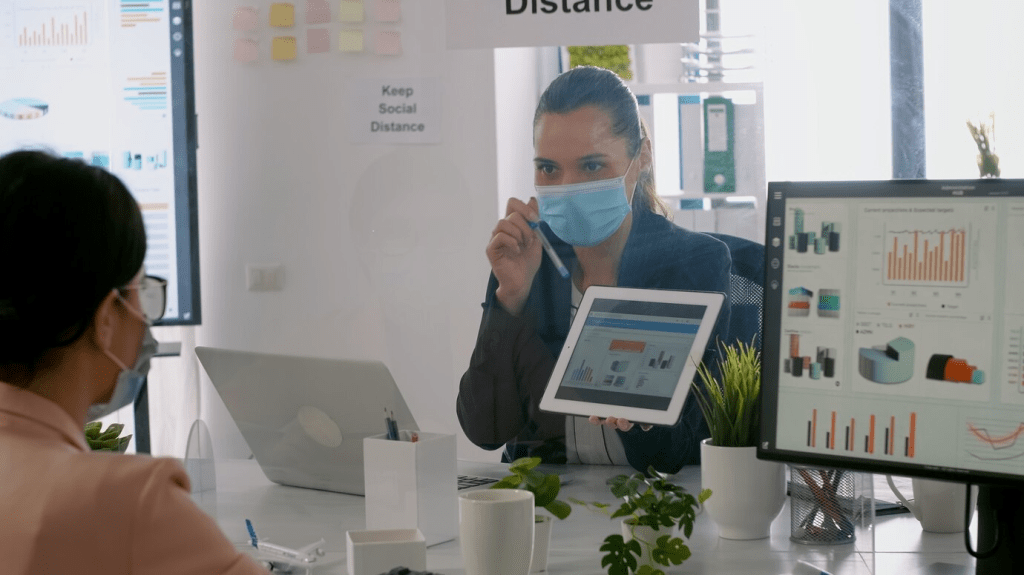
Remote Patient Monitoring (RPM) software is a groundbreaking technological solution that enables healthcare providers to monitor patients’ health outside traditional clinical settings. This innovative approach enhances patient care by leveraging digital tools to track vital health metrics, providing insights that can guide timely medical interventions. With the increasing demand for personalized and efficient healthcare, RPM software has emerged as a key player in improving medical outcomes while reducing the strain on healthcare systems.
In this article, we will explore what remote patient monitoring software is, how it works, and why it is essential in modern healthcare. We’ll also delve into the role of remote patient monitoring software development and discuss how partnering with an experienced app development company can ensure the creation of effective, user-friendly solutions.
Introduction to Remote Patient Monitoring Software
Remote Patient Monitoring software is a digital health solution designed to gather and analyze patients’ health data in real-time. The data, collected via connected devices such as wearable sensors, mobile apps, and smart medical devices, is transmitted securely to healthcare providers. This enables doctors and caregivers to track patients’ health conditions continuously, providing a proactive approach to care.
Traditionally, patients needed to visit clinics or hospitals for regular health checkups, often leading to delays in detecting critical issues. With RPM software, vital health information, such as blood pressure, heart rate, oxygen levels, and glucose levels, can be monitored remotely. This not only saves time but also minimizes unnecessary hospital visits, making healthcare more accessible and convenient.
Key Features of RPM Software
- Real-Time Data Collection
RPM systems collect real-time health data using devices like fitness trackers, glucometers, or ECG monitors. These devices sync seamlessly with the software, enabling continuous tracking. - Data Analysis and Reporting
Advanced RPM solutions analyze collected data to identify trends or anomalies, generating actionable insights. These insights assist doctors in diagnosing and treating patients more effectively. - Alerts and Notifications
RPM software includes automated alerts to notify healthcare providers of potential health issues. Patients also receive reminders for medication or lifestyle adjustments. - Integration with Electronic Health Records (EHR)
The software often integrates with existing EHR systems, ensuring seamless access to comprehensive patient data for healthcare providers.
How Does Remote Patient Monitoring Software Work?
RPM software operates through a simple yet sophisticated process involving three key steps:
1. Data Collection
Patients use connected medical devices to measure specific health metrics. For example, a diabetic patient might use a glucometer to monitor blood sugar levels, while a heart patient could use a wearable ECG device to track heart rate. These devices send data to the RPM software via wireless connections such as Bluetooth or Wi-Fi.
2. Data Transmission
The collected data is transmitted to a cloud-based server. Here, it is stored securely and made accessible to authorized healthcare providers. Robust encryption ensures patient confidentiality and data security.
3. Analysis and Feedback
The software analyzes the incoming data to detect irregular patterns or risks. If an abnormality is found, healthcare providers are alerted immediately. Based on the insights, doctors can recommend lifestyle changes, adjust medications, or schedule in-person consultations.
Benefits of Remote Patient Monitoring Software
1. Improved Patient Outcomes
RPM software enables early detection of potential health issues, allowing for timely intervention. For instance, monitoring a patient’s oxygen saturation levels can help prevent complications in respiratory conditions.
2. Convenience for Patients
Patients no longer need to travel frequently for routine checkups, reducing stress and saving time. Elderly and chronically ill patients particularly benefit from the convenience of remote care.
3. Cost-Effective Healthcare
By reducing hospital admissions and emergency visits, RPM lowers healthcare costs for both providers and patients. It also optimizes the use of medical resources.
4. Enhanced Provider Efficiency
Healthcare providers can monitor multiple patients simultaneously through a centralized dashboard. This increases efficiency, allowing doctors to focus on critical cases.
5. Data-Driven Insights
The vast amount of data collected by RPM systems provides valuable insights into patient health trends, supporting evidence-based decision-making.
The Role of Remote Patient Monitoring Software Development
Developing effective RPM software requires a deep understanding of healthcare needs, technology, and user experience. A well-designed RPM solution should be secure, user-friendly, and scalable to accommodate diverse healthcare scenarios.
Key Considerations in RPM Software Development
- User-Centric Design
The software should be easy to use for both patients and healthcare providers. Intuitive interfaces and seamless device integration are critical. - Data Security and Compliance
Given the sensitive nature of health data, developers must ensure compliance with regulations such as HIPAA (Health Insurance Portability and Accountability Act) or GDPR (General Data Protection Regulation). - Interoperability
RPM software should integrate smoothly with existing systems, such as hospital EHRs and third-party apps, to avoid data silos. - Scalability
As healthcare demands grow, the software must be able to handle increasing volumes of data and users without compromising performance. - Customization
Every healthcare provider has unique needs. Customizable solutions allow organizations to tailor features to their specific requirements.
The Role of an App Development Company in RPM Solutions
Partnering with an experienced app development company is crucial for creating high-quality RPM software. These companies bring technical expertise, innovation, and a deep understanding of market trends. Here’s how they contribute:
1. Requirement Analysis
An app development company works closely with healthcare providers to understand their needs. This includes identifying the target user base, defining essential features, and determining the technical stack.
2. UI/UX Design
Professional developers ensure the software is visually appealing and easy to navigate, enhancing user satisfaction and engagement.
3. Robust Development
Skilled developers use modern frameworks and programming languages to create reliable and efficient RPM solutions. They also ensure cross-platform compatibility for seamless operation across devices.
4. Testing and Quality Assurance
Rigorous testing is essential to identify and fix bugs, ensuring the software performs flawlessly under real-world conditions.
5. Maintenance and Support
Post-launch support ensures that the software remains up-to-date and continues to meet users’ needs. Regular updates and feature enhancements keep the solution competitive.
Challenges in RPM Software Development
While RPM software offers significant benefits, developers face certain challenges:
- Data Privacy Concerns
Ensuring the security of patient data is a top priority. Developers must implement strong encryption protocols and comply with regulations. - Device Compatibility
With a wide variety of connected devices on the market, ensuring compatibility can be complex. - Patient Adoption
Convincing patients to use RPM software, especially those unfamiliar with technology, requires effective onboarding and user education. - Integration with Legacy Systems
Many healthcare providers still use outdated systems. Integrating RPM software with these systems can be challenging.
Conclusion
Remote Patient Monitoring software represents a transformative step in modern healthcare, empowering providers to deliver better, more proactive care. By leveraging connected devices and data analytics, RPM solutions improve patient outcomes, enhance convenience, and reduce costs.
Effective remote patient monitoring software development requires a blend of technical expertise, user-centric design, and a commitment to data security. Partnering with a skilled app development company ensures the creation of innovative and reliable RPM solutions tailored to healthcare providers’ needs.
As technology continues to evolve, RPM software will play an increasingly vital role in shaping the future of healthcare, offering patients and providers unprecedented levels of efficiency and collaboration.
Also, read this article:
 Site Title